- by foxnews
- 09 Apr 2026
Deadly bat disease fungus confirmed in key tourist destination as officials warn of impacts
Pseudogymnoascus destructans fungus confirmed in Nevada bats threatens wildlife conservation efforts as officials monitor for white-nose syndrome outbreak. Travelers are warned.
1.5 k views
The fungus, Pseudogymnoascus destructans (Pd), was discovered by officials during routine monitoring of the Lake Mead National Recreation Area, according to an NDOW press release.
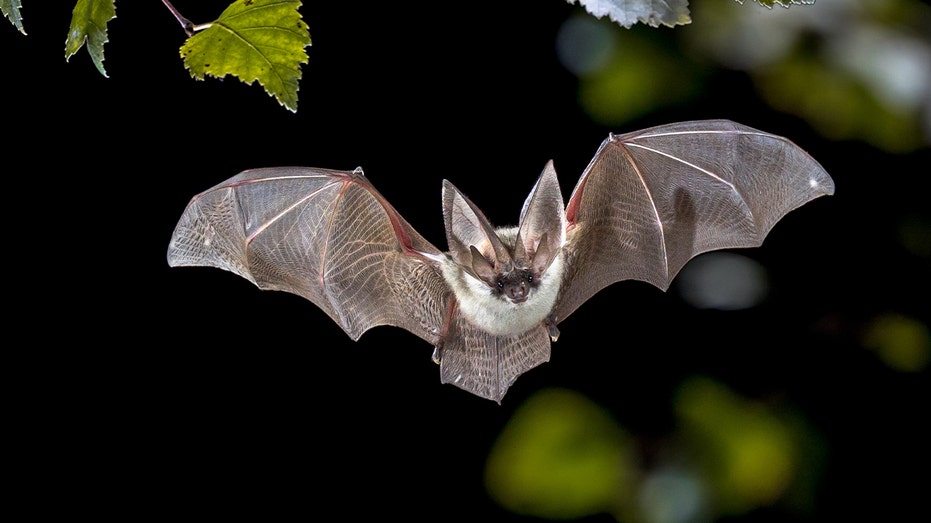
The disease shows visible white fungal growth on infected bats' muzzles and wings.
"It spreads easily from bat to bat during hibernation, and humans unintentionally spread it from cave to cave by tracking the spores on their shoes," said Siegel.
He added, "Fungus likes cold blood, and the bats cool down when they are hibernating. But the fungus forms a fuzz on their wings and muzzles. As they wake up from hibernation, they start behaving strangely and often die of starvation."
"Nevada's bats are incredibly important, and this fungus could have serious implications for their conservation," said NDOW specialist Jonathan Young.
"We knew it was a matter of time before Pd arrived in Nevada, and we have been vigilantly surveying bats for many years now, not only for this fungus but also to track their population trends," said Young.
Young said officials are continuing to monitor the situation.
They're working to reduce the spread of the fungus with equipment sterilization, habitat protection and public education, he indicated.
Officials are urging visitors to avoid entering abandoned mines for their own safety, and to prevent unintentionally carrying the fungus to new bat sites.
The park is open year-round, located in southeastern Nevada and northwestern Arizona.
you may also like



- by foxnews
- 09 Apr 2026
Ancient monastery from earliest centuries of Christianity unearthed at desert site



travel
- by foxnews
- descember 09, 2016
Popular cruise line selling tree house suite for jaw-dropping price: 'Rather buy a house'
Royal Caribbean's new "Ultimate Family Treehouse" suite on Hero of the Seas costs over $200,000 a week - sparking spirited debate among cruise fans online.
read more