- by foxnews
- 09 Apr 2026
Syphilis-linked bacteria circulated in the Americas thousands of years before Columbus: study
Ancient DNA from 5,500-year-old remains in Colombia reveals syphilis-related bacteria existed some 3,000 years earlier than previously known, says a new study.
1.7 k views
The findings, announced in a Jan. 22 press release, are the result of a study of 5,500-year-old human remains in Sabana de Bogotá, Colombia. The research was published in the journal Science this month.
Researchers analyzing the remains recovered a genome of Treponema pallidum, the bacterium responsible for syphilis and three other treponemal diseases.
A genome is the DNA blueprint of an organism. In the recent study, researchers used ancient DNA remnants to reconstruct the bacterium's genome.
They sampled the skeleton's shinbone - an unusual method, as most genomes are recovered from teeth or bones of people who were clearly infected.
"The approach paid off, suggesting that even bones without visible signs of disease could be valuable sources of pathogen DNA," the release said.
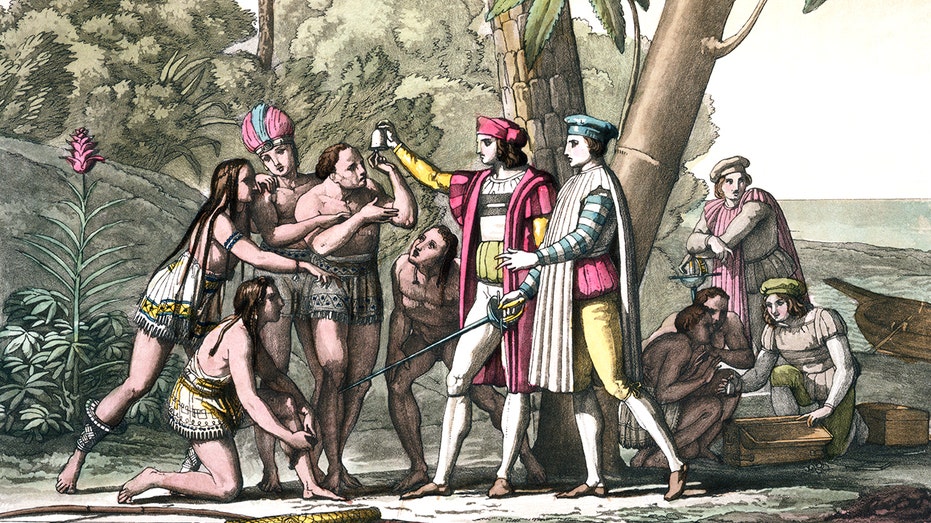
The study indicates that syphilis-related bacteria existed in the Americas long before Columbus arrived.
"The discovery pushes the genetic record of this pathogenic species back by more than 3,000 years," the press release asserted.
"Future research will need more ancient genomes from different places and times, alongside studies of human immune responses and closer collaboration with Indigenous communities," the Washington, D.C.-based organization said. "Taken together, this work does not settle the syphilis debate, but it does show how much of the story is still missing."
The new findings emerged "unexpectedly," the release noted, as researchers were not initially searching for signs of disease.
They "originally sequenced the individual's DNA to study human population history, generating 1.5 billion fragments of genetic data - far more than typical studies," the statement said.
"While screening the data, teams at the University of California, Santa Cruz and the University of Lausanne independently detected T. pallidum and joined forces to investigate."
Lars Fehren-Schmitz, a geneticist at the University of California, Santa Cruz, who was involved in the study, said the findings highlight the value of studying ancient DNA.
Archaeological finds involving ancient diseases are uncommon, but advances in DNA analysis have led to significant discoveries.
you may also like


- by foxnews
- 09 Apr 2026
Ancient monastery from earliest centuries of Christianity unearthed at desert site



travel
- by foxnews
- descember 09, 2016
Popular cruise line selling tree house suite for jaw-dropping price: 'Rather buy a house'
Royal Caribbean's new "Ultimate Family Treehouse" suite on Hero of the Seas costs over $200,000 a week - sparking spirited debate among cruise fans online.
read more