- by foxnews
- 04 Apr 2026
Stop the insanity 2.0: '90s icon Susan Powter's tech comeback
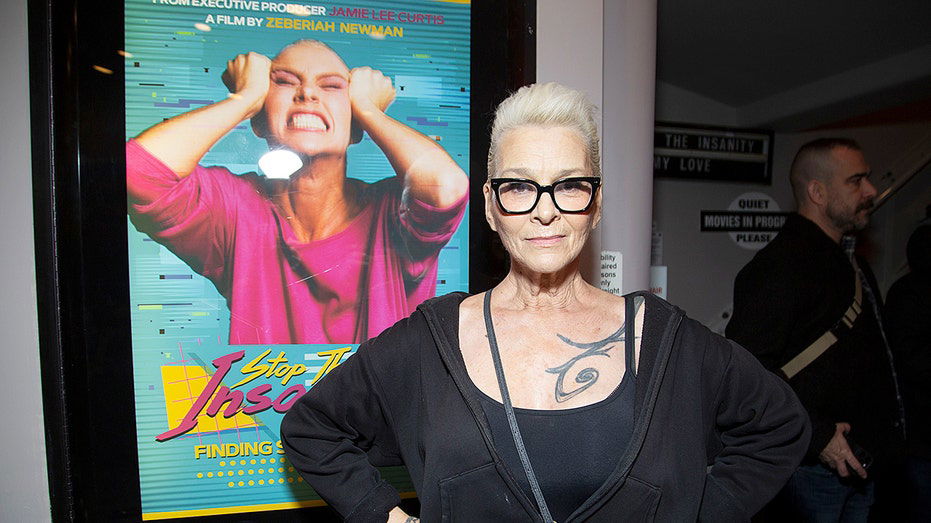
Susan Powter lost her 1990s wellness empire to financial collapse, spent nine years driving for Uber Eats, then used technology and social media to rebuild her brand.
- by foxnews
- 05 Mar 2026
- in technology
1.1 k views
There was a time when you could not turn on the TV without seeing Susan Powter. Platinum buzz cut. Barefoot. Fierce. Unfiltered. And that battle cry that still lives in pop culture: "Stop the Insanity!"
Powter says the years after fame were not a quick fall. They were a long grind. She describes driving for Uber Eats for nine years, working "eight to 10 hours every day, seven days a week, trying to make my $80 to $100 a day so I could pay my damn bills." Then comes the twist that makes this story feel very 2026. Tech did not break her. Tech helped her rebuild.
Sign up for my FREE CyberGuy ReportGet my best tech tips, urgent security alerts and exclusive deals delivered straight to your inbox. Plus, you'll get instant access to my Ultimate Scam Survival Guide - free when you join my CYBERGUY.COM newsletter.
When Susan Powter sat down with me in my Los Angeles studio for my Beyond Connected podcast, she began by rewinding the story to where it all started. Powter's story begins far from Hollywood. She took me back to 1982 in Garland, Texas. She had two babies a year apart. After her divorce, she gained more than 130 pounds. She says she didn't recognize herself physically. She felt financially doomed and emotionally overwhelmed.
Then she figured something out. "I would go to the grocery store, Piggly Wiggly. This is the truth," she says. Other moms would stop her and tell her she looked great. Powter would answer, "No, no, you don't understand. I figured out with modification you could be fit," and she says, "a crowd would gather in the grocery store."
But the business side got ugly. "It became a monster," she says. "It started generating so much money, and then they started producing me out of me."
This is where her story hits a nerve for anyone who has ever felt trapped in a system that profits from them. Powter describes management chaos, lawyers and huge legal bills. She says, "My last legal bill was $6.5 million."
But the real breaking point came the day she decided to walk away. She was living in Beverly Hills when she says she discovered what was happening behind the scenes with unscrupulous management and bad-faith actors. She says that the very empire she built no longer felt like it belonged to her. As a result, her response was swift and absolute. "I sent one paragraph to everyone; Simon & Schuster, Time Warner, all management, literary agents. And I said, so-and-so no longer represents Susan Powter. Stop the Insanity. One paragraph." That was it. She fired everyone. Then she left. "I moved to Seattle, and I started teaching classes in basements," she says. "I left it all."
She also pushes back on the tidy narrative people prefer about her downfall. "I did not go from Hollywood to Harbor Island, which is the welfare hotel that I lived in for far too long in Las Vegas. I didn't go there in three years. That's not what happened."
Instead, she describes years of work, shifting family dynamics and what she calls "quiet poverty." And she names the part people tend to skip because it makes them uncomfortable: what poverty does to your identity. "It's soul-sucking, dehumanizing," she says.
At one point, she recalls walking eight miles in brutal Las Vegas heat. "My dollar store flip-flops literally melted under my feet. It was 120 degrees." She adds, "That's when you feel dehumanized."
During that period, she drew strength from the late Joan Rivers, who had faced her own trials. "She said to me, 'You hang on, kid. This is a tough game,'" Powter recalls of meeting her earlier in her career. Years later, when her own world unraveled, Susan says she often asked herself, "What would Joan Rivers do?"
Then she says the line that sums up her whole strategy, "I'm going to digitalize everything. I'm going to sell it myself. I'm going to own everything." That is her new business plan. And it is the part a lot of creators, freelancers and founders will recognize right away: when you stop waiting for permission, you start building assets you control.
Powter talks about ownership like someone who has learned the cost of not having it. This time, she wants to see everything. "I'll be checking the bank balance every 12 seconds," she says. "I'll be checking the analytics every second." There is no confusion in her voice. She is not handing control to anyone else again.
For nine years, she drove for Uber Eats, eight to 10 hours a day, chasing $80 to $100 just to cover bills. There was no cushion and no mystery revenue. Everything depended on what she could see and control. After that, data feels like protection.
"I'll recommend show and tell, not sell what I want to be," she says. Her style is classic Susan. Big energy. Big honesty. Zero patience for fake polish. At one point, she laughs and describes her approach like this: "It's kind of like affiliate marketing on acid."
Powter's memoir is titled "And Then EM Died: Stop the Insanity, A Memoir," available on Amazon. She calls it "a letter to my dead dog," and says, "This is the first product I have owned out of all the products, all the years, all the work, and I get to see every sale."
The documentary, "Stop the Insanity: Finding Susan Powter," executive-produced by Jamie Lee Curtis and directed by Zeb Newman, is available on Amazon and Apple TV. But if you take one thing from this conversation, make it this: Powter refuses the tidy inspirational story arc. "The only reason I survived anything... No, I died a million deaths," she says. Then she says what actually fueled her: "A lot of it was rage. I wasn't going down like that."
And yet she does not end there. "It doesn't matter what happened. To hell with that. My being survived." That honesty lands because it sounds like real life, not a poster. And maybe that is the real message now. Survival is not always pretty. Sometimes it is loud, messy and powered by the simple refusal to disappear.
Think your devices and data are truly protected? Take this quick quiz to see where your digital habits stand. From passwords to Wi-Fi settings, you'll get a personalized breakdown of what you're doing right and what needs improvement. Take my Quiz here: Cyberguy.com.
Susan Powter's story resonates because it feels familiar, even now. First, a public identity collapses. Then private life grows heavier than anyone sees. Yet that is not where her story ends. Instead, she finds leverage where few people think to look: in a phone, in an app, in a platform and in the power to publish without gatekeepers. Of course, she is not pretending technology fixes everything. She sees the darkness. At the same time, she sees the power. Now, she is using that power the way she always has: loudly, honestly and on her own terms.
So here's the question to sit with: If your life fell apart tomorrow, would your tech habits help you rebuild, or would they pull you deeper? Let us know by writing to us at Cyberguy.com.
Sign up for my FREE CyberGuy ReportGet my best tech tips, urgent security alerts and exclusive deals delivered straight to your inbox. Plus, you'll get instant access to my Ultimate Scam Survival Guide - free when you join my CYBERGUY.COM newsletter.
Copyright 2026 CyberGuy.com. All rights reserved.
you may also like


- by foxnews
- 04 Apr 2026
NYC schools track bathroom time with digital hall passes


travel
- by foxnews
- descember 09, 2016
Americans warned of potential attacks at vacation destination as border crossing exit fee doubles
The U.S. Embassy Cairo issued a security alert for Americans in Egypt. The action follows regional military operations in Iran and rising border exit fees.
read more