- by foxnews
- 15 Apr 2026
Elon Musk scam tricks victims on Facebook with Tesla hoax
A Facebook scammer posing as Elon Musk tricked a victim with promises of a Tesla and $250,000, requesting gift cards that become untraceable once the codes are shared.
- by foxnews
- 27 Jun 2025
- in technology
1.6 k views
Then, it quickly turned into an expensive lesson in online deception.
The woman this happened to in Jensen Beach, Florida, wrote us saying, "He kept telling me it was my lucky day. I had just won a new white Tesla and $250,000 in cash. All I needed to do was send him an Apple Gift Card for $200. So I did. Well, $800 later, he wanted more to pay for the broken-down truck that was on its way to my house to deliver my winnings."
The scammer, posing as Elon Musk, used flattery, fake urgency and a convincing profile to lure the victim into a carefully staged hoax. Behind the big promises was someone who walked away with hundreds of dollars in untraceable gift cards. Here's how the scam works and how you can avoid falling for it.
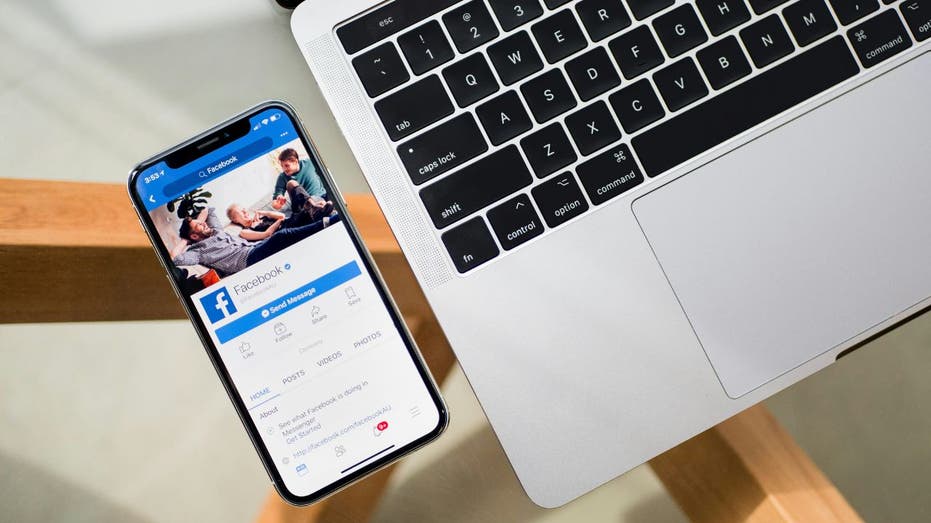
This type of scam often begins after someone posts about Musk, Tesla or cryptocurrency. Scammers monitor public Facebook activity, then send a friend request from an account using Musk's name and photo. The profile may look legitimate, with copied images, reposted news articles or AI-generated content.
In the case of the woman from Jensen Beach, she sent multiple gift cards totaling $800 before realizing the story was a setup. After claiming that a delivery truck had broken down, the scammer requested even more money. That's when she recognized the pattern and blocked the account. But unfortunately, by then, the funds were already gone.
Gift cards are one of the most common tools used in scams because they are fast, anonymous, and nearly impossible to recover once the code is shared. Scammers often claim that the cards are needed to cover fees, unlock a prize or verify your identity. Once a scammer has the code, they can do a few things:
Apple Gift Cards are frequently used because they are easy to find in stores and can be used for high-value digital purchases. But scammers also use Google Play, Amazon, Steam and Visa prepaid cards, depending on what they think the victim can access. These requests usually come with urgency. Victims may be told to stay on the phone while buying the cards or to scratch off the back and send a photo of the code right away. That sense of pressure is designed to override second thoughts. If anyone you do not know asks for payment in gift cards, it is a scam. No legitimate organization or contest will ever ask for them as payment or verification.
What ties these scams together is the use of a familiar face to lower suspicion. The scammer may use deepfake video, AI-generated voice clips or doctored screenshots to make the offer feel more real. Once the target engages, the pressure begins. Victims are asked to send money, act quickly and avoid telling anyone. If a message or ad involves a celebrity offering free money, discounted products or special access to a private opportunity, it is almost certainly a scam.
These scams rely on quick decisions, emotional reactions and a false sense of trust. Slowing down and checking for warning signs can help you stay safe. Here are some practical steps:
1. Never send gift card codes to anyone you do not know: If someone asks for Apple, Amazon or Google Play cards as payment or verification, it is a scam. No real prize, agency or company will request gift cards.
2. Be skeptical of prize claims from celebrity accounts: Musk is not messaging people on Facebook to give away Teslas or cash. If the profile is unverified or the offer feels random, trust your instincts and ignore it.
3. Do not move conversations to private apps like WhatsApp or Telegram: Scammers often push for this because these platforms have fewer safeguards, no public comment threads and limited reporting tools. Once the chat moves off Facebook, it becomes much harder to verify or report what's happening. If someone you do not know insists on switching platforms, it's usually a sign they are hiding something.
5. Watch for common red flags: Be cautious of sudden friend requests from unfamiliar accounts, vague messages that mention surprise winnings, poor grammar or any pressure to act quickly. Scammers often use emotional triggers to override your judgment. If something feels off or too convenient, it probably is.
Scammers are using Musk's name to run fake prize scams, investment traps and Facebook impersonation schemes. In one case, a reader lost $800 after being promised a Tesla and $250,000 in cash, but only if they sent Apple Gift Cards first. These scams rely on trust, speed and celebrity recognition. The real Musk is not sending private messages to strangers. If someone contacts you about a prize and asks for money or gift cards, it is a scam. Report it, block the account and help others stay alert.
Follow Kurt on his social channels
Answers to the most asked CyberGuy questions:
New from Kurt:
Copyright 2025 CyberGuy.com. All rights reserved.
you may also like


- by foxnews
- 15 Apr 2026
Why your home Wi-Fi needs more than just a strong password
- by foxnews
- 14 Apr 2026
Smart travel safety tips before your next trip


travel
- by foxnews
- descember 09, 2016
Curators at Library of Congress discover lost film by legendary cinema pioneer after spotting 'subtle clue'
The Library of Congress discovered a lost 1897 film by Georges Méliès, a legendary pioneer of special effects, featuring one of cinema's earliest robots on screen.
read more