- by foxnews
- 08 Apr 2026
Burger King AI listens to workers
Burger King expands its AI-powered Patty assistant to monitor drive-thru interactions and coach employees, prompting debate over workplace surveillance.
- by foxnews
- 11 Mar 2026
- in technology
1.0 k views
Sign up for my FREE CyberGuy ReportGet my best tech tips, urgent security alerts, and exclusive deals delivered straight to your inbox. Plus, you'll get instant access to my Ultimate Scam Survival Guide - free when you join my CYBERGUY.COM newsletter
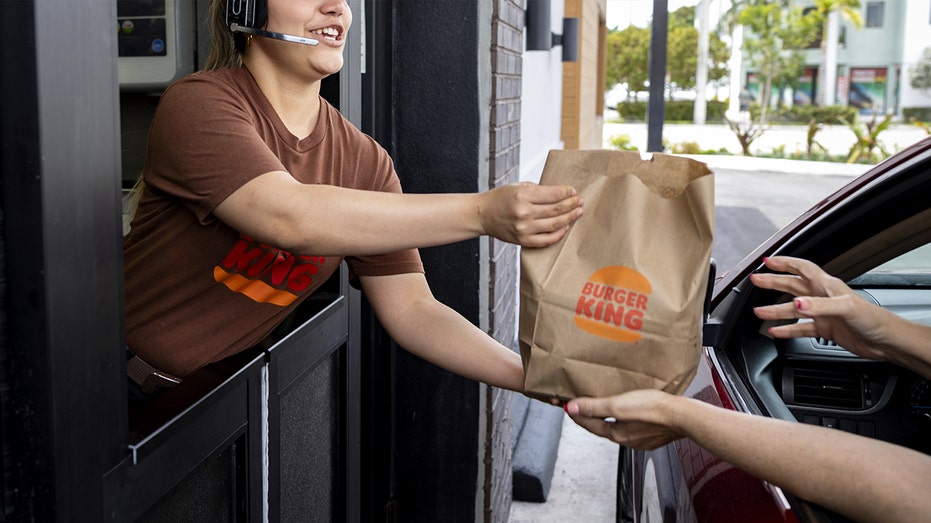
Burger King's Patty AI assistant runs on technology from OpenAI. In practice, it listens for key phrases such as "Welcome to Burger King," "Please" and "Thank you." It then compiles that information into reports so managers can measure how consistently staff use polite language. Although company leaders say it is not recording every conversation, they frame it as a coaching tool designed to reinforce service standards.
Beyond tracking manners, Patty also supports daily operations. For example, it can answer questions about how many bacon strips go on a sandwich or how to clean specific equipment. In addition, it flags inventory shortages and alerts managers when machines stop working. It even tracks how often employees tell customers an item is unavailable, which can highlight supply gaps.
Burger King began testing Patty at about 100 U.S. locations last year. Now the company plans to expand to roughly 500 stores, with a goal of rolling it out nationwide by year's end.
And Burger King is not alone. Rivals like Wendy's, Taco Bell, McDonald's, Pizza Hut and KFC have all tested AI in some form. Some experiments focused on automated ordering. Others used AI to streamline drive-thru operations.
Burger King says Patty exists to help managers coach teams and improve hospitality. Executives argue that customers want a warmer experience. Data simply helps restaurants measure it.
Yet social media reaction tells a different story. Some critics say constant monitoring creates pressure. They worry about employees having a bad day and getting flagged for forgetting a single word. Others describe it as surveillance disguised as support.
This tension reflects a larger trend in the workplace. AI increasingly measures performance in warehouses, offices and retail counters. Now it is moving into fast-food headsets. The real debate is not about politeness. It is about power.
If you are a customer, you may notice friendlier greetings and fewer out-of-stock surprises. AI can help restaurants restock faster and fix broken machines sooner. That could mean shorter lines and more consistent menus. If you are an employee, the shift feels different. Every please and thank you becomes part of a data stream. Managers can track patterns instead of relying on occasional observations. For workers, that may increase accountability. It may also increase stress. For the industry, this signals a future where AI quietly runs in the background of nearly every transaction.
Take my quiz: How safe is your online security?
Think your devices and data are truly protected? Take this quick quiz to see where your digital habits stand. From passwords to Wi-Fi settings, you'll get a personalized breakdown of what you're doing right and what needs improvement. Take my Quiz here: Cyberguy.com
Technology keeps moving into spaces that once felt purely human. The drive-thru greeting used to be about personality and mood. Now it may be part of a data dashboard. Some will see that as progress. Others will see it as overreach.
If AI can measure kindness, should it? Let us know by writing to us at Cyberguy.com
Sign up for my FREE CyberGuy ReportGet my best tech tips, urgent security alerts, and exclusive deals delivered straight to your inbox. Plus, you'll get instant access to my Ultimate Scam Survival Guide - free when you join my CYBERGUY.COM newsletter
Copyright 2026 CyberGuy.com. All rights reserved.
you may also like

- by foxnews
- 08 Apr 2026
Healthcare data breach hits system storing patient records

- by foxnews
- 07 Apr 2026
AI needs more power: Offices could be the answer




travel
- by foxnews
- descember 09, 2016
Bikini skiing takes off on slopes as record warmth forces resorts into survival mode
Western ski resorts face record warm temperatures and low snowfall, with skiers swapping jackets for bikinis and T-shirts as trails close and dirt replaces snow.
read more