- by foxnews
- 03 May 2026
Trump's Rx plan promises savings, but economists see a hidden trade-off
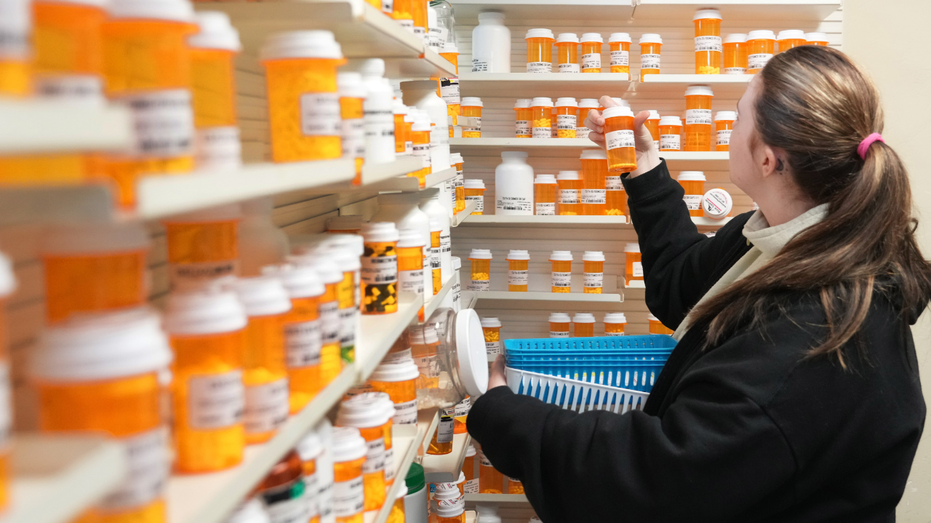
The Trump administration launched a drug pricing initiative offering immediate savings, but experts debated whether lower costs meant fewer treatments tomorrow.
1.6 k views
The political appeal is clear, but experts warn the economics are messier. Economists point to a basic trade-off: lower prices today can shape how and whether new drugs are developed tomorrow.
"Economic evidence shows that lower prices depress incentives to develop new drugs," she added.
"In the short term, patients and payers can see meaningful savings through lower prices and out-of-pocket costs, but in the longer term, there is more risk of fewer or slower-arriving new medicines, especially in areas most exposed to price controls."
Michael Baker, director of healthcare policy at the American Action Forum, said government price setting does not eliminate costs so much as redistribute them.
"At the most basic level, government price setting only limits what patients pay for a drug - usually reflected in an out-of-pocket or co-insurance payment," Baker said. "This does nothing to address the overall cost of the drug, which someone still has to pay, nor does it lower the cost associated with development."
As a result, he said, those costs could reemerge through tighter health coverage rules, fewer treatment options or reduced future innovation.
Supporters of the administration counter that the policy does not amount to strict government price caps. Instead, they describe it as a negotiated arrangement.
Ed Haislmaier of the Heritage Foundation said companies appear to be lowering prices in exchange for expanded market access or other relief, a structure he argues avoids the most disruptive effects of traditional price controls.
"In such cases, companies are likely calculating that revenue losses from lower prices will be offset by revenue gains from more sales," Haislmaier told Fox News Digital.
"The kind of government price controls that are most damaging to innovation are ones that limit the initial price a company can charge for a new product. That is the situation in some countries, but fortunately not yet in the United States," he added.
For patients squeezed by rising costs, the promise of immediate savings is hard to dismiss.
you may also like

- by foxnews
- 03 May 2026
Trump aims to reset war powers clock with controversial bid to bypass Congress




travel
- by foxnews
- descember 09, 2016
Major US city urges residents to work from home this summer for highly unusual reason
Officials urge New York and New Jersey commuters to work from home during 2026 World Cup matches, warning of extreme congestion across transit systems.
read more